New in the Shortest History Series
The Shortest History series condenses thousands of years into gripping, fast-paced reads. These books are your key to understanding global headlines through the lens of the past, the present, and the future.

New in the Shortest History Series:
The Shortest History of Football
by Brian D. Bunk

From ancient kicking games to the world’s most popular sport
Humans have enjoyed kicking balls around for thousands of years, whether in Ancient China or sixteenth-century North America. Football as we know it today was born from two vastly different British traditions: rough-and-tumble folk football and the games played in elite boarding schools. So how did it go from a local pastime to the pinnacle of global sport?
Brian D. Bunk traces the incredible history of football, comprised of both glories and tragedies: from muddy World War I trenches to the stadium-palaces of Saudi Arabia; the ancient Mayans to Lionel Messi; the first recorded women’s football match to today’s Lionesses; World Cup boycotts to enduring rivalries. Along the way, football has influenced economics and politics, and created an international community unlike any other.
The Shortest History of Football is a concise but comprehensive guide to the evolution of ‘the beautiful game’ that will delight history buffs and football fans alike.
The Shortest History of Scandinavia
by Mart Kuldkepp
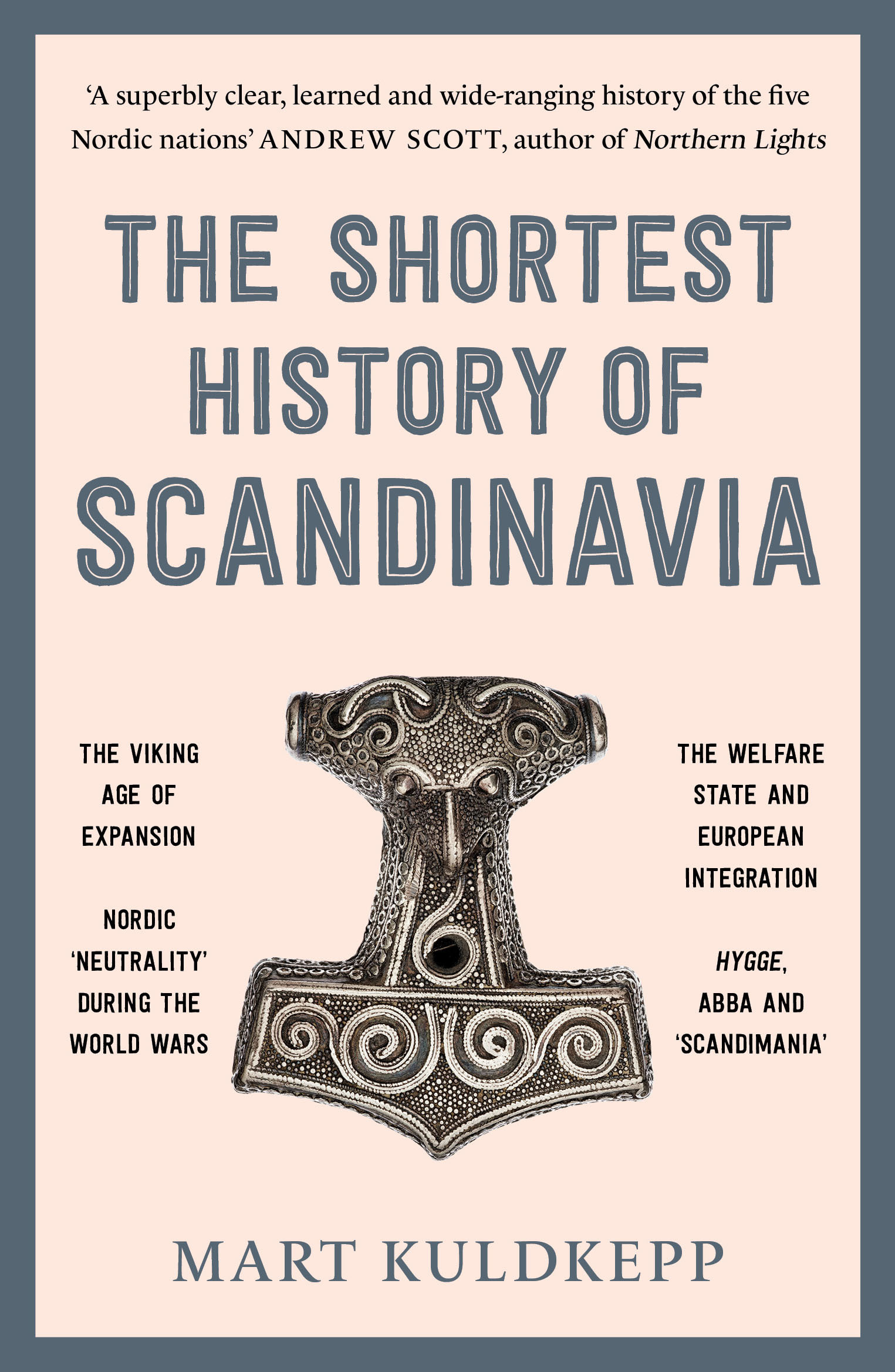
From the Stone Age to ‘Scandimania’ – a brisk, illuminating journey through 14,000 years of Nordic history
Outsiders have long viewed Scandinavia – comprising Denmark, Finland, Iceland, Norway and Sweden – as special, starting with the ancient Greeks and their myths of ultima Thule, a place ‘where the Sun goes to rest’. Today, Scandinavia is admired for its universal welfare, equality, peacefulness and untouched nature – not to mention its many cultural touchstones like the Nobel Peace Prizes, ABBA and hygge.
Yet, Nordic history is not without its dark periods: pandemics, the expansionism of the Viking Age, alliances with Nazi Germany in World War II, a twentieth-century eugenics movement and contemporary debates surrounding immigration. In The Shortest History of Scandinavia, historian Mart Kuldkepp masterfully sketches the outlines of Scandinavia’s rich history – from the first known peoples of the region, who followed the ice sheet north as it retreated at the end of the last Ice Age, to modern Scandinavians living in nations that are ranked among the happiest in the world today.
In this short but deeply insightful volume, Kuldkepp illuminates the concept of ‘Nordicness’ – a hard-to-define quality that has nonetheless steered the region to respond to major challenges, actively shaping its own history and exerting a considerable influence on European and global history in the process.
The Shortest History of Innovation
by Andrew Leigh
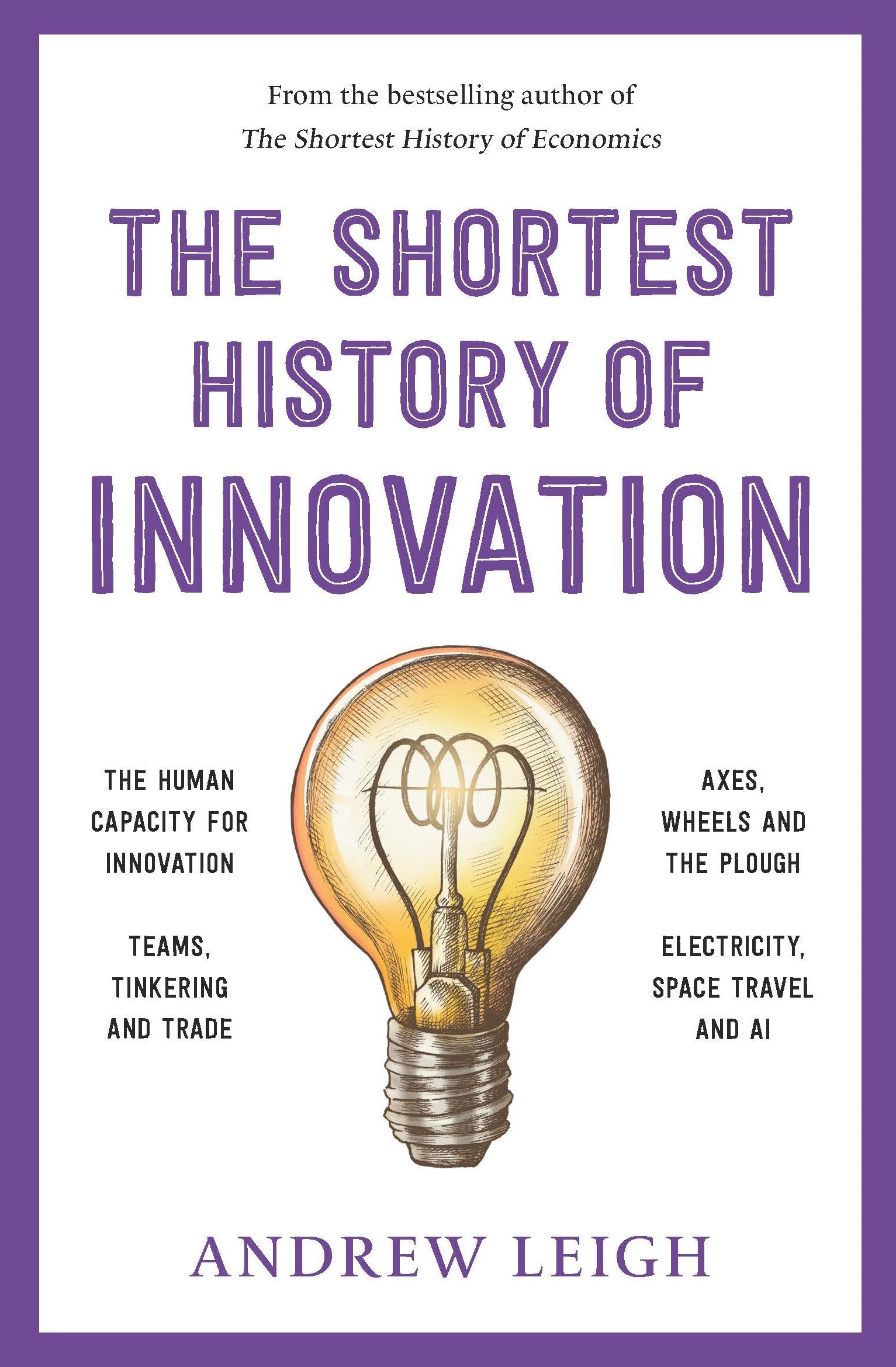
From the wheel to generative AI, new ideas that have shaped our world
Innovation shapes almost every aspect of our lives – from tools and technologies to fresh approaches in art and architecture – yet we rarely pause to notice it. Someone had to invent nails and buttonholes; alphabets and books; glass windows and windscreen wipers; tin cans and synthetic dyes.
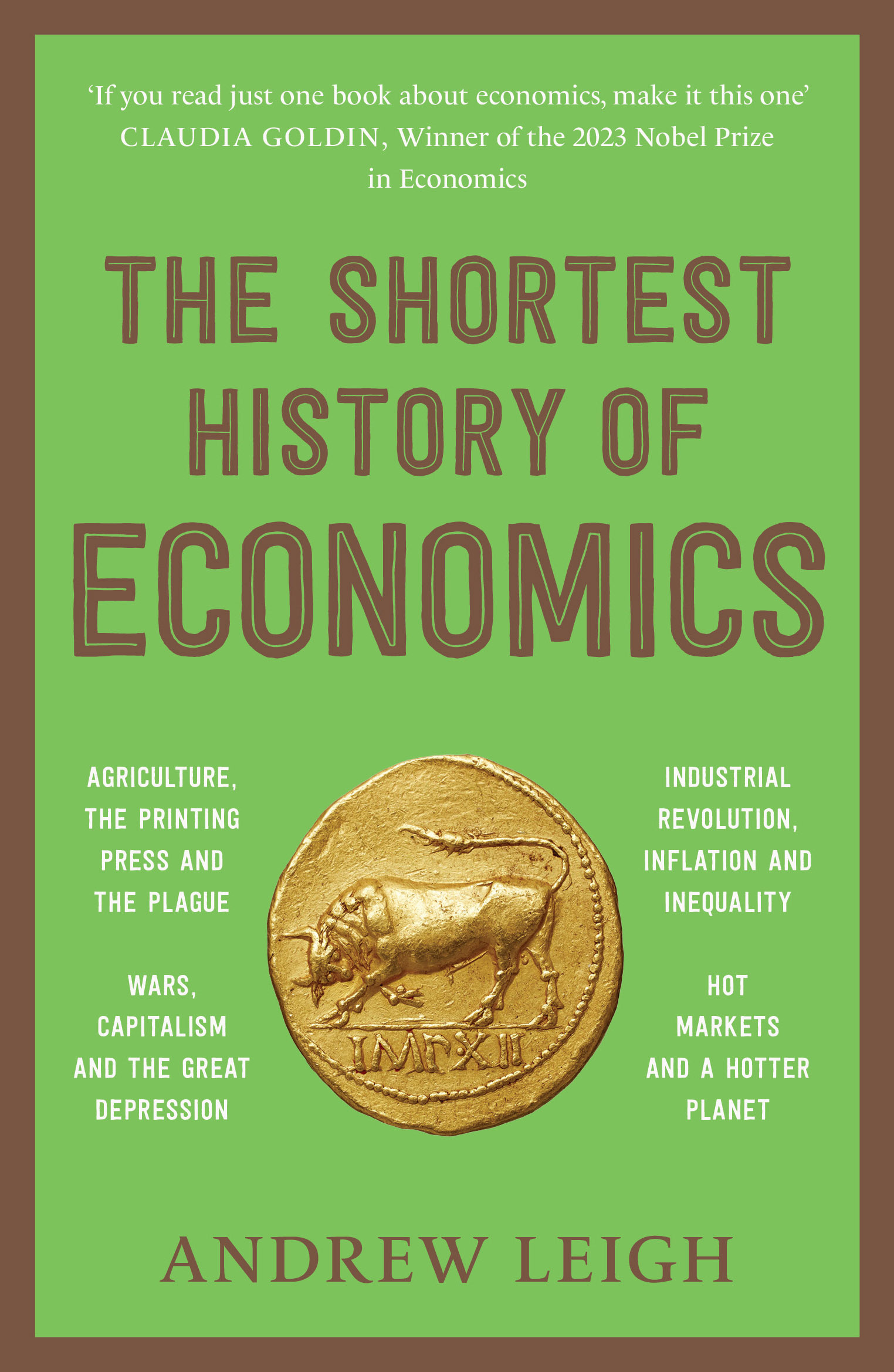
Andrew Leigh, the bestselling author of The Shortest History of Economics, tells the story of human innovation by identifying three of its most essential driving forces: tinkering, teams and trade. He examines hotbeds of creativity, the forces that suppress them and the unexpected ways ideas travel across borders and disciplines. Unveiling the surprising agents behind everyday innovations we take for granted, he revisits history with fresh eyes and deftly connects it to the rapid innovation taking place today.
Dazzling and always entertaining, The Shortest History of Innovation is a compact but comprehensive look at the engines that power progress.
The Shortest History of Turkey
by Benjamin C. Fortna
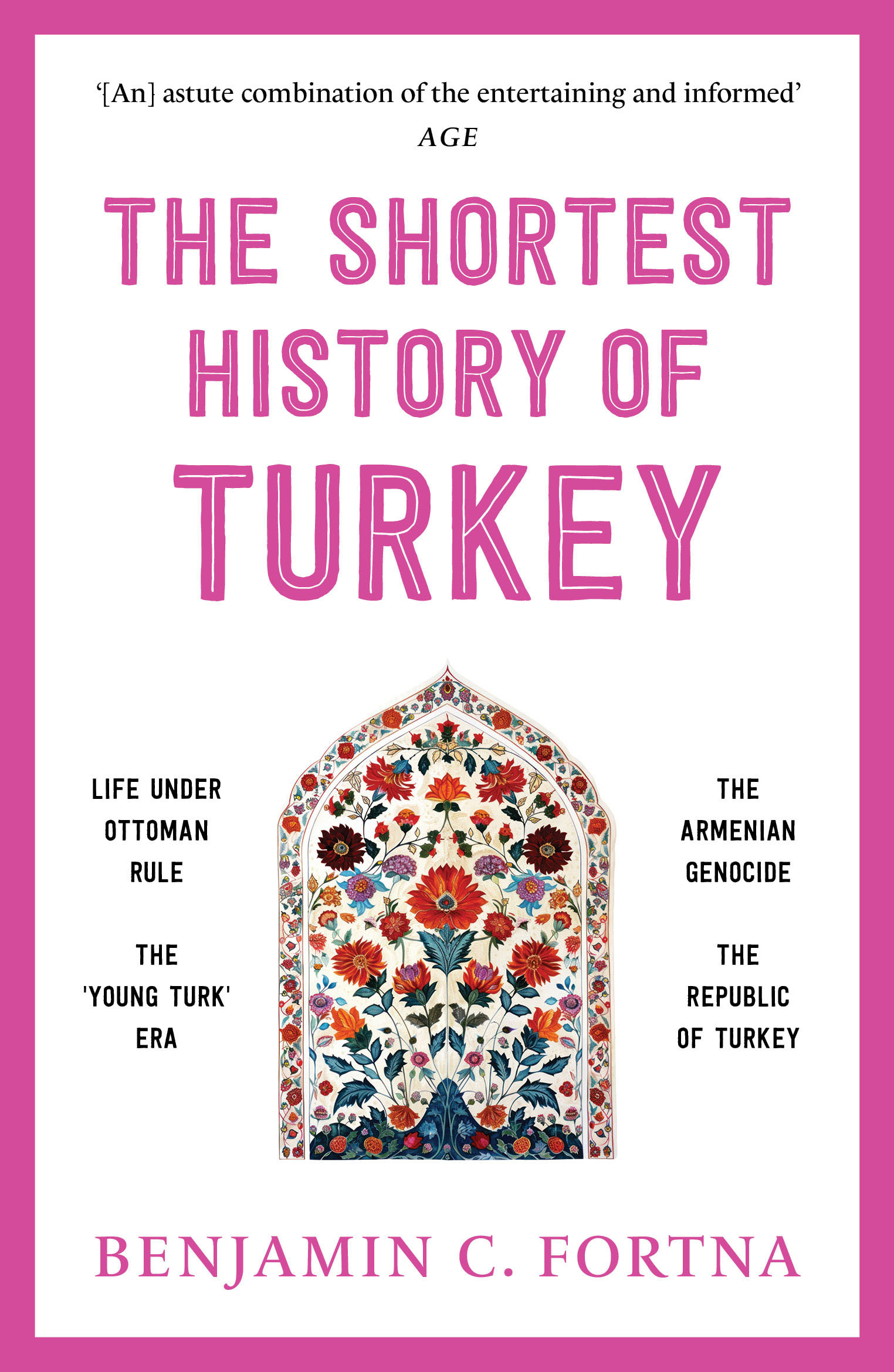
The world-changing story of Turkey – a country caught between two worlds
This brilliant distillation traces Turkey’s long and complicated history from the rise and decline of the Ottoman Empire – the most enduring, and perhaps the most important, Islamic empire in history – to the emergence of the modern Turkish Republic in the early twentieth century and the populist, authoritarian leadership of President Recep Tayyip Erdogan today.
Over more than nine centuries of change, Turkey has been a cultural melting pot, straddling Asia and Europe, and a nation-state bent on ethnic unity. It has seen conquest and reform, appeals to tradition and calls to modernise. It has been a home to Christians, Jews, Muslims and others, while pursuing both secularisation and Islamisation with equal fervour.
In The Shortest History of Turkey, historian Benjamin Fortna offers a concise yet nuanced overview of this complex trajectory, revealing how persistent tensions between opposing visions for Turkey have shaped, and continue to shape, the country and its people.