Read an excerpt from INDIA AFTER GANDHI by Ramachandra Guha!
This definitive history of modern India is the work of one of the world’s finest scholars at the height of his powers.
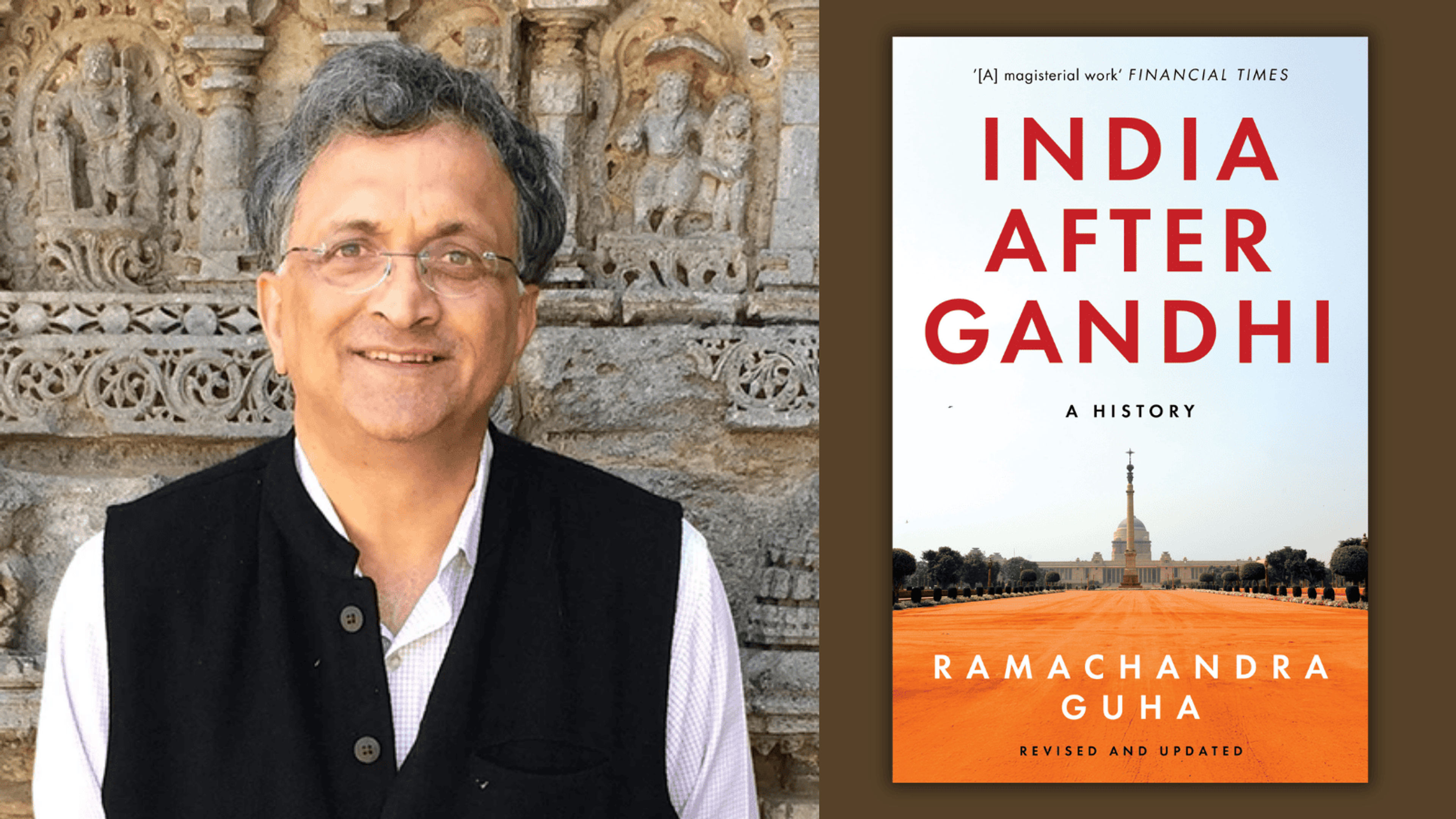
Read an excerpt here:
On the night of 15 January the government of India decided to release the money owed to the government of Pakistan. The next day more than 1,000 refugees signed a declaration saying they would welcome back the displaced Muslims of Delhi and allow them to return to their homes. But Gandhi wanted more authoritative assurances. Meanwhile, his health rapidly declined. His kidney was failing, his weight was dropping and he was plagued by nausea and headache. The doctors issued a warning of their own: ‘It is our duty to tell the people to take immediate steps to produce the requisite conditions for ending the fast without delay.’
On 17 January a Central Peace Committee was formed under the leadership of the president of the Constituent Assembly, Rajendra Prasad. Other Congress Party members were among its members, as were representatives of the RSS, the Jamiat-ul-Ulema and Sikh bodies. On the morning of the 18th they took a joint declaration to Gandhi which satisfied him enough to end his fast. The declaration pledged ‘that we shall protect the life, property and faith of Muslims and that the incidents which have taken place in Delhi will not happen again’.
Would the ‘miracle of Calcutta’ be repeated in Delhi? The leaders of the militant groupings seemed chastened by Gandhi’s fast. But their followers remained hostile. On previous visits to Delhi Gandhi had stayed in the sweepers colony; this time, however, he was put up at the home of his millionaire follower G. D. Birla. Even while his fast was on, bands of refugees marched past Birla House, shouting, ‘Let Gandhi die’. Then, on 20 January, a Punjabi refugee named Madan Lal threw a bomb at Gandhi in Birla House while he was leading a prayer meeting. It exploded at some distance from him; luckily no one was hurt. Gandhi was undaunted by the attempt on his life. He carried on meeting people, angry refugees included.
On 26 January he spoke at his prayer meeting of how that day was celebrated in the past as Independence Day. Now freedom had come, but its first few months had been deeply disillusioning. However, he trusted that ‘the worst is over’, that Indians would work collectively for the ‘equality of all classes and creeds, never the domination and superiority of the major community over a minor, however insignificant it may be in numbers or influence’. He also permitted himself the hope ‘that, though geographically and politically India is divided into two, at heart we shall ever be friends and brothers helping and respecting one another and be one for the outside world’.