Synopsis
A foreign brand that became quintessentially Indian
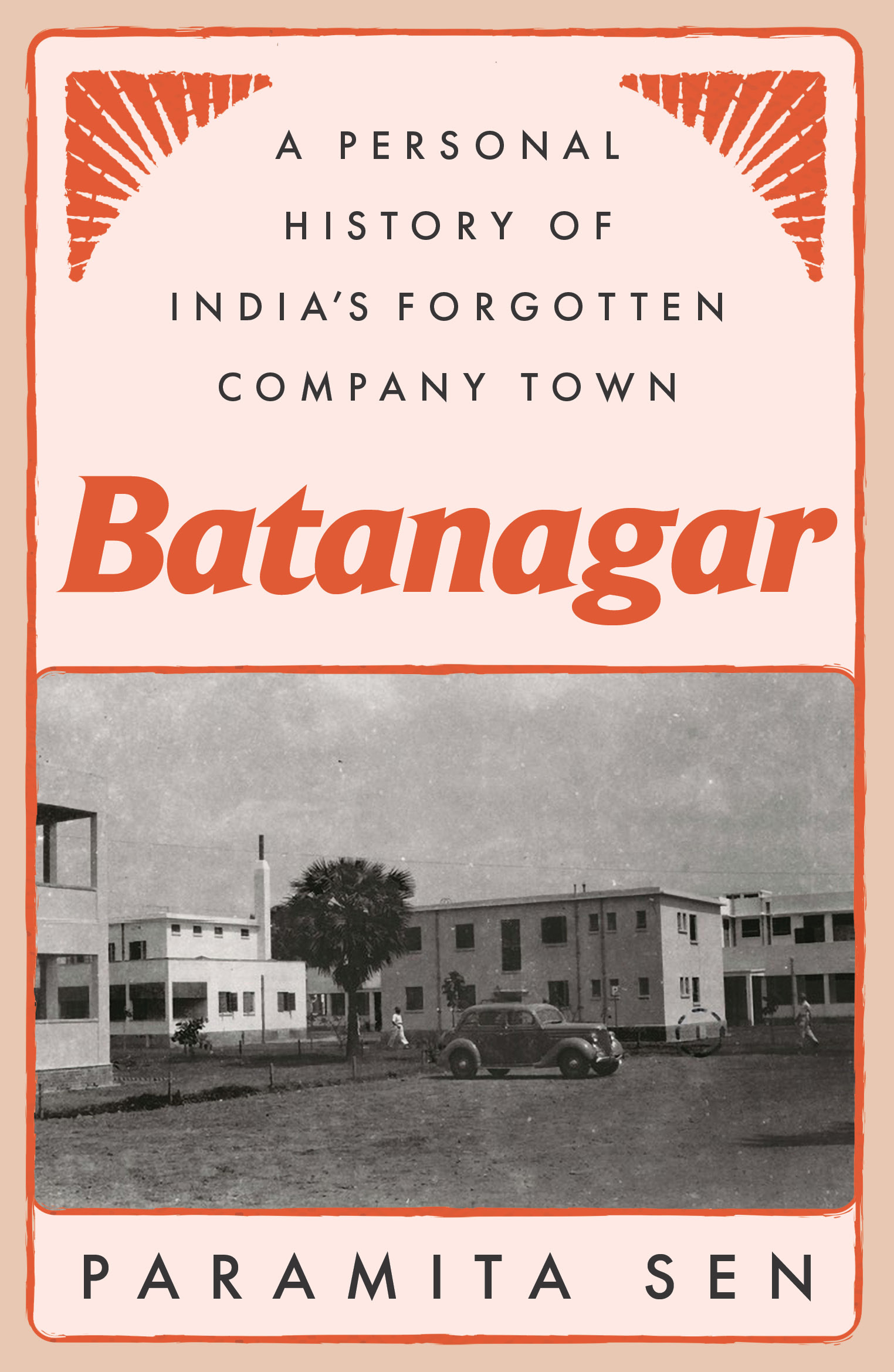
In the tiny Czech town of Zlín, Tomáš Baťa grew his family’s modest shoe shop into a veritable empire, founded on local craft, modern technology and a globalized perspective. In the 1930s, he turned his attention to India – a land of great industrial potential and abundant skilled labour. This move was welcomed by leaders of business and the freedom struggle as a step towards building a self-sufficient, independent nation. Thus, the foundation stone of one of India’s earliest company towns, Batanagar, was laid in 1934 near Kolkata, inscribed with the words ‘a monument to international understanding and collaboration’. Over the following decades, the town grew into a bastion of innovative thinking, cosmopolitanism and community.
Former resident Paramita Sen paints a vivid picture of her childhood in this idyllic town in the 1970s and '80s, while also examining the larger context of the march of Indian history. She traces the impact of key moments on Batanagar – such as the Bengal Famine of 1943, the end of colonial rule in 1947, the rise of the Naxalbari movement in the 1960s and more. The town and its ethos captured the imagination of luminaries like Nehru and Tagore and was at the centre of some of Bata’s landmark innovations, such as the iconic hawai chappal, which endeared the brand to its Indian consumers, who comprise its largest market to this day.
Like other Bata company towns around the world – Batadorp (Netherlands), Batapur (Pakistan) and Batatuba (Brazil) – Batanagar’s unique legacy has been all but lost to posterity in the throes of disrepair and redevelopment over the decades. Batanagar shines a light on this pioneering Czech company and its iconic Indian company town.