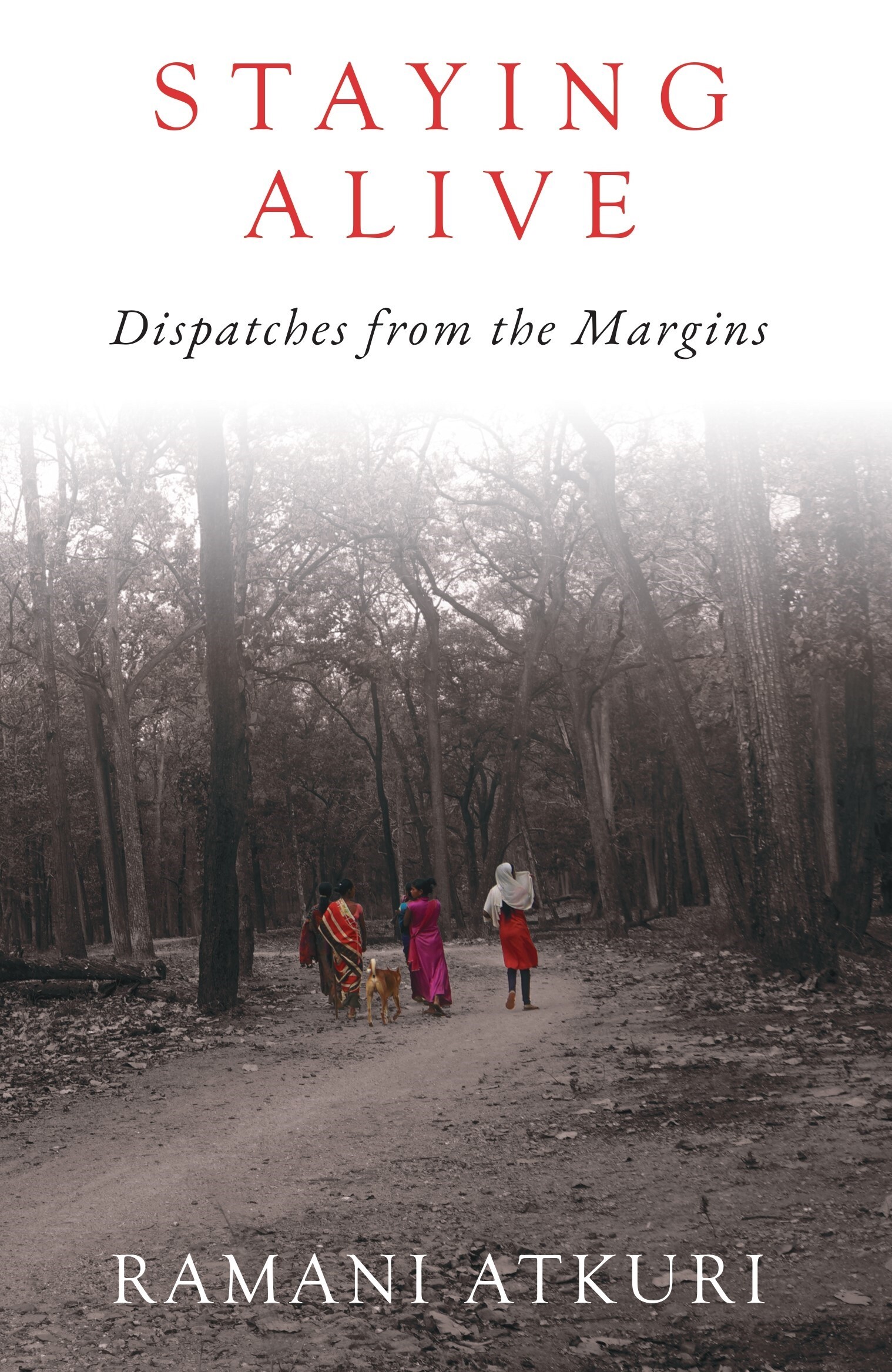
Synopsis
A searing exploration of a hidden national crisis
In the glittering corridors of India’s urban centres, world-class hospitals attract ‘medical tourists’ from across the globe. But in the rural and tribal heartlands, where nearly 65 per cent of the population resides, a starkly different reality unfolds. The National Health Policy of 2017 recommends a government spend of at least 2.5 per cent of GDP on health. However, that figure is currently at just 1.84 per cent – an amount sorely inadequate to meet the government’s stated goals in the various programmes. This shortfall, in combination with manpower deficit, inadequate infrastructure, poor quality of data, poorly motivated staff and policy decisions that are divorced from ground reality, leaves the most vulnerable without access to even basic medical care – a far cry from the belief that rural life is an idyllic, healthy alternative.
Examining entrenched inequity at the intersection of caste, class, gender and geography, the book gives voice to those abandoned by the system: the migrant worker for whom tuberculosis is a death sentence; the farmer who can’t access anti-venom for a snake bite; the rural mother for whom childbirth is a gamble; the tribal child who can’t get a midday meal because of lack of digital connectivity and many others.
Staying Alive challenges us to envision a nation where the right to health is not a luxury for the few but the right of every citizen, regardless of where they live.